Local clinical trials are evaluating new treatments for people with type 1 diabetes. Take the two-minute screening survey today.

About Clinical Trials
Before emerging therapies can be approved for widespread public use, they must first be tested in controlled clinical trial settings to ensure that new medical treatments are safe and effective. By joining a trial (also referred to as a clinical study or clinical research), participants are playing a vital role in helping doctors and scientists make meaningful progress in type 1 diabetes research, and work towards a more hopeful future for fellow patients.
WHAT ARE THE BENEFITS?
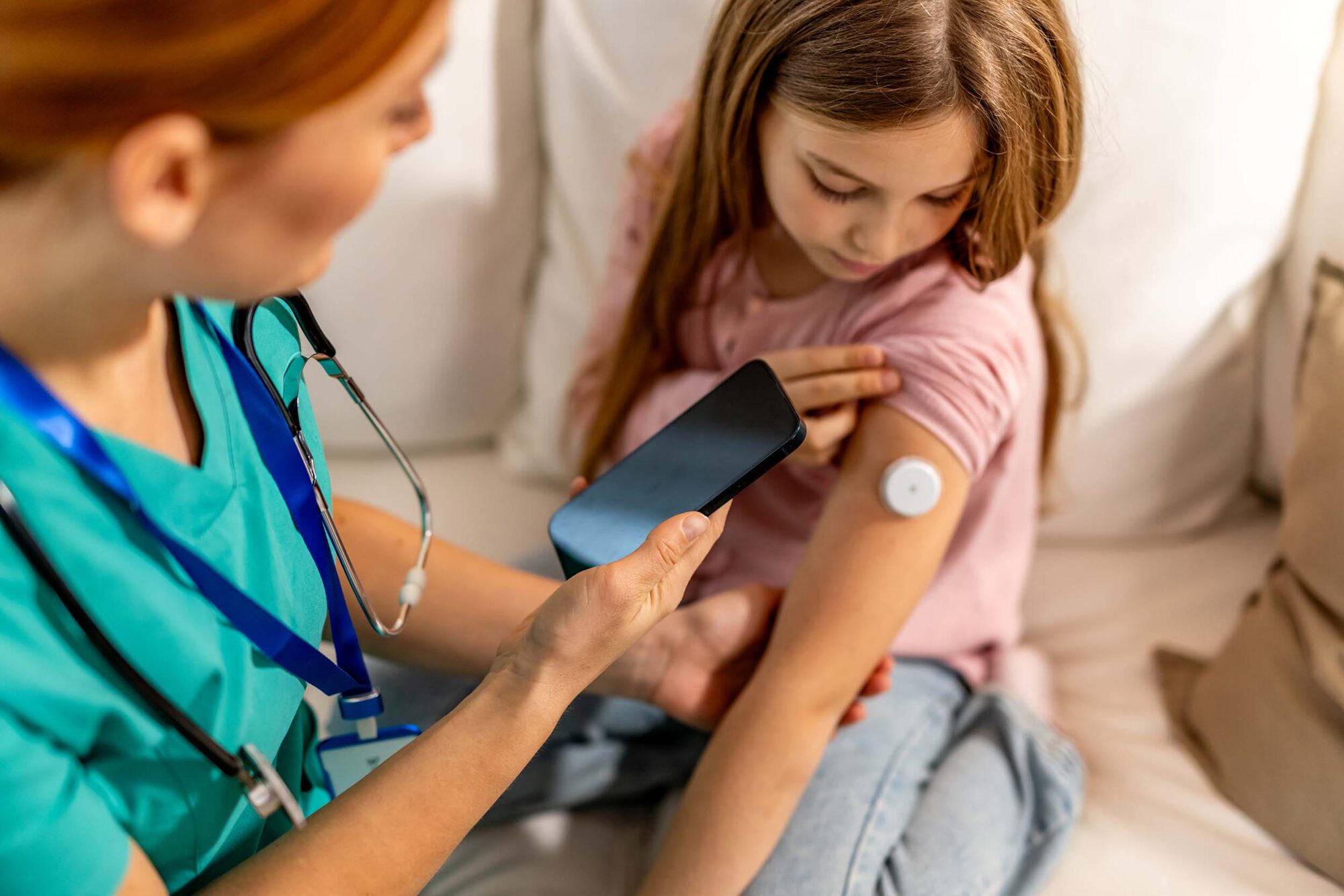
Participants in type 1 diabetes clinical trials will have access to specialists who understand their unique situation and can help answer questions and address concerns from participants or their loved ones. Throughout the duration of a trial, participants should expect to be monitored in a safe, professional clinical environment and have the opportunity to contribute to scientific innovation. Participation is voluntary.
WHAT IS BEING TESTED?
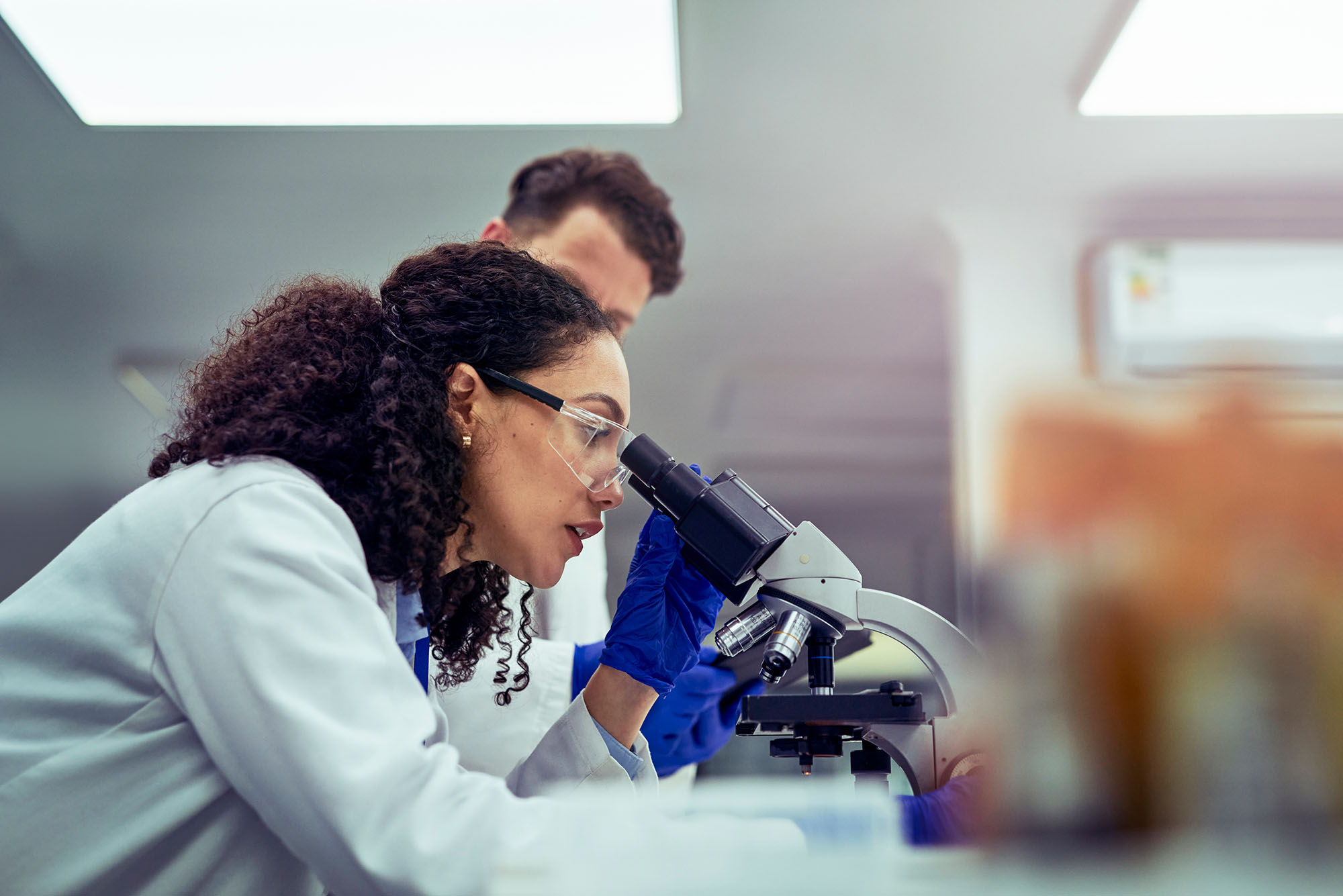
Researchers are exploring new investigational pathways to protect the body’s ability to produce insulin in people with T1D. Read our FAQ to learn more about clinical research trials for people recently diagnosed with T1D, and what one might expect as a participant.
What Can I Expect?
The Process: Clinical trials are often randomized and placebo-controlled. This means you may receive an active investigational treatment or a placebo (which contains no active treatment). This is necessary to scientifically prove if a new treatment works.
The Commitment: Clinical trials often require scheduled appointments at the study clinic and a commitment to your health. This may also involve lab draws and tracking your daily glucose levels. Any commitments will be clearly explained to you before you decide to join.
Safety First: Safety is always the top priority. Participation is entirely voluntary, and your rights are protected by an Institutional Review Board (IRB). You can change your mind and leave a trial at any time, for any reason.
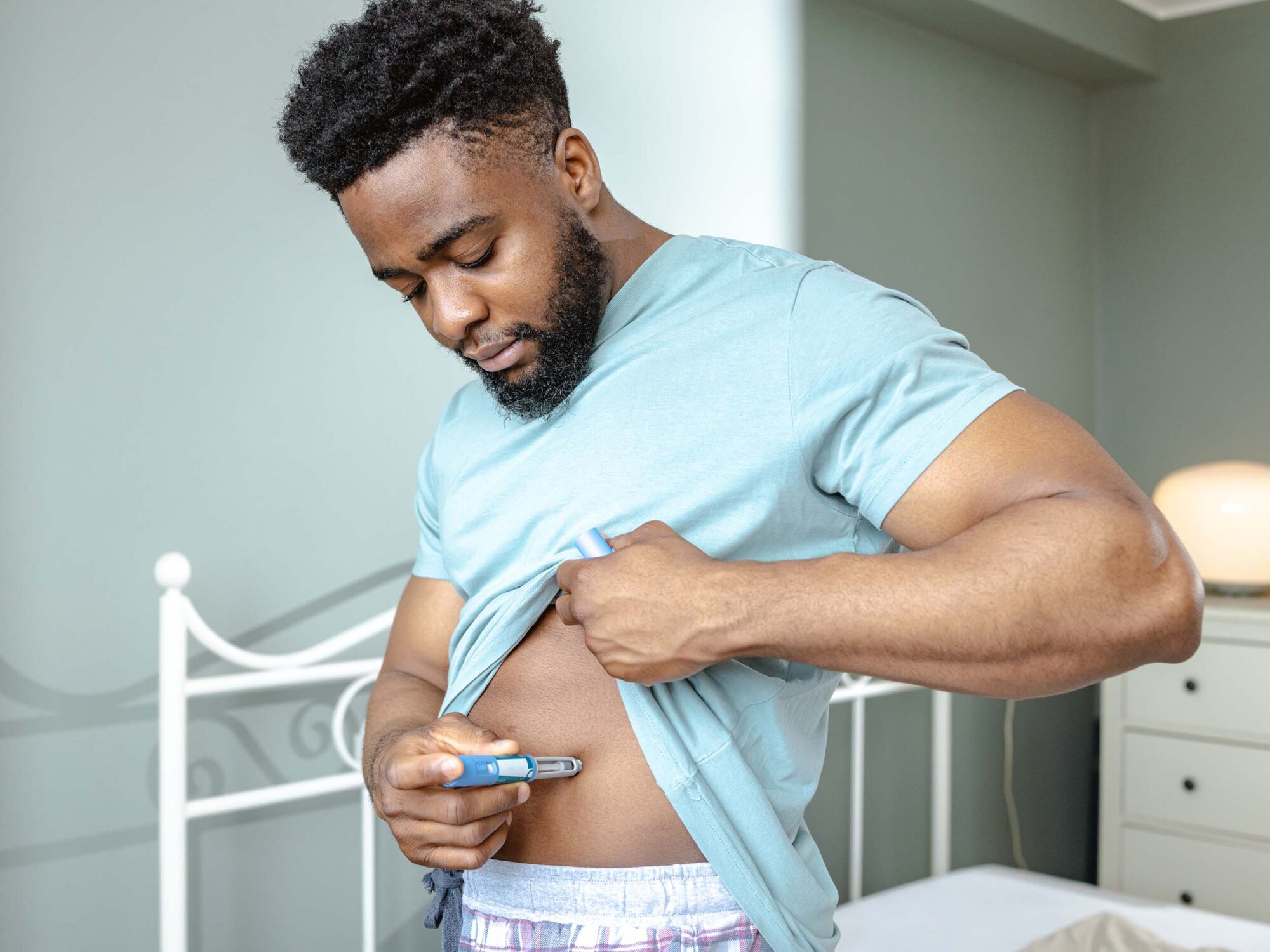
Clinical Trials Make a Difference
Participation in a clinical trial testing new treatment to preserve insulin production provides valuable information to researchers that could eventually lead to additional treatments and potential advancements in care options. Take our short survey to see if you or a loved one may be a good fit. There is no obligation to participate.
From the Community
“There are clinical trials out there. I don’t want to just sit here and let it overtake me, I want to feel like I’m battling back, even just a little bit.”Todd, FL
“If I have the opportunity to help myself and help other people who are dealing with my condition, if that’s the way I can contribute, sign me up.”Elizabeth, VA
“Without the first person with the first step, you never know what greater good could come.”Thomas, MD
“If you’re not doing clinical trials, you’re not making progress. The more people examining it and studying it, the better.”JENNIFER, AUS
Still Have Questions?
Contact us anytime at help@clinicalenrollment.com.